Website Design - 29 July 2026 - 5 min read
What makes a website actually convert
Short answer
A website converts when a visitor can tell straight away what you do, where you do it and why they should choose you, then contact you in one easy step. Clear headlines, an obvious phone number, real proof like reviews and past work, and fast loading on a phone matter far more than fancy design.
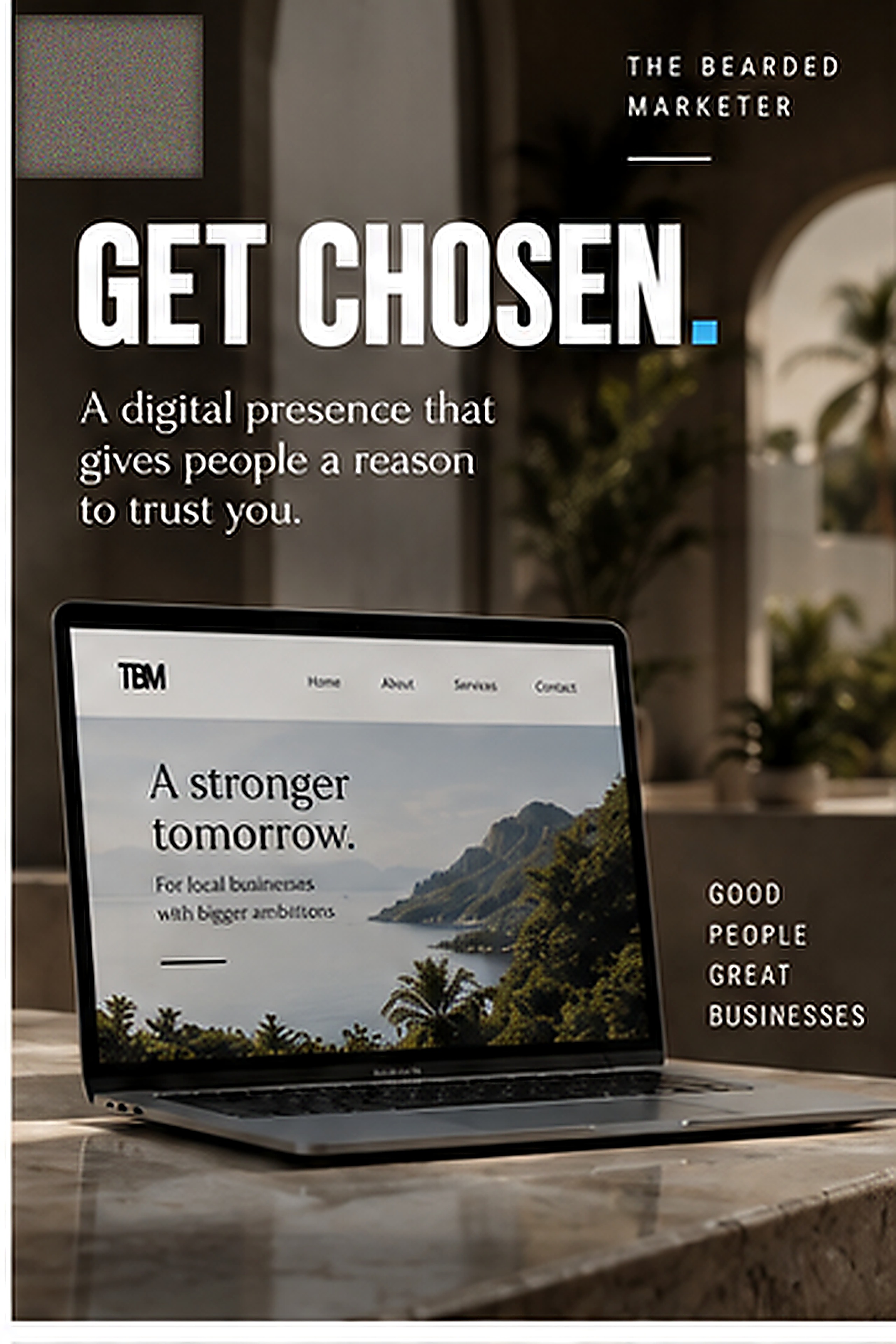
A website has one job for most local businesses: turn a visitor into an enquiry. Everything else is decoration. I've seen plenty of good-looking sites across Cairns and surrounds that barely make the phone ring, and some plain ones that keep owners busy. The difference is almost never the colour scheme.
What does it mean for a website to convert?
A conversion is the action you want a visitor to take: a phone call, a form, a booking or a quote request. A website that converts well turns a good share of its visitors into one of those actions. It's the difference between people looking at your site and people actually getting in touch with you.
For a trade, that's usually a call. For a clinic or salon, a booking. For a professional service, an enquiry form. Before you change anything on your site, be clear on which action matters most, because every page should make that next step obvious.
What should a visitor see first?
Within a few seconds a visitor should know what you do, where you do it and how to get in touch. A clear headline in plain language, a short line on who you help and a visible phone number or button do most of the work. If people have to scroll or guess, many will simply hit back.
A lot of homepages open with a slogan that sounds nice but says nothing. 'Excellence in every detail' doesn't tell someone in Edmonton whether you fix air conditioners or sell flooring. 'Air conditioning installs and repairs across Cairns and surrounds' does. Say the obvious thing first.
Why does mobile matter so much?
Most local customers will find you on their phone, often while they're out and about or on a job. Your site needs to load quickly, read easily without zooming and let people call or book with one tap. A site that's slow or fiddly on a phone loses people before they ever see what you offer.
Test it yourself. Open your site on your own phone, ideally on mobile data rather than wifi, and try to find your number and send an enquiry. If it's awkward for you, it's awkward for your customers. Google also looks at how your pages perform for real users, so speed helps on the search side too.
How do reviews and real work help a website convert?
People want proof before they pick up the phone. Genuine reviews, photos of real jobs and short case studies show that you've done this before for people like them. Put that proof near the points where someone is deciding, such as next to your contact button, not tucked away on a page nobody visits.
Stock photos of smiling strangers don't build much trust. A photo of your actual ute, your team or a finished job does. If you have reviews on Google, point people to them. If you've done work you're proud of, show it, like the Mobile Club Cars case study shows for one local business.
How easy should it be to get in touch?
Very easy. Put your phone number in the header, make it tap-to-call on mobile and keep forms short. Ask only for what you need to respond, usually a name, a contact detail and a short message. Every extra field or step gives someone a reason to give up and try the next business instead.
It also helps to tell people what happens next. A line like 'I'll get back to you within one business day' takes the uncertainty out of sending an enquiry. And make sure someone actually does get back to them quickly. The best website in the world can't fix slow follow-up.
Should I fix my website before running ads?
Yes, in most cases. Sending paid clicks to a website that doesn't convert is one of the most expensive mistakes in digital marketing. Get the headline, contact options, proof and mobile experience right first. Then any advertising you run has a much better chance of turning into real enquiries rather than wasted spend.
The same goes for SEO. More visitors only help if the site turns them into customers. I'd rather see a business fix the basics on five key pages than add twenty new ones. My Google Ads budget traps article covers the advertising side in more detail.
How do I know if my website is converting?
Track it. Set up tracking for calls, form submissions and bookings so you can see which pages and sources bring in enquiries. Without it you're guessing. Even a simple monthly check of enquiries against visitors will tell you far more than how many people looked at your homepage.
Once tracking is in place, make one change at a time and watch what happens. Move the phone number, shorten the form or rewrite the headline, then compare. Small improvements on the pages that matter add up over time.
The short version
Say what you do and where, make contact easy, show real proof and make it work beautifully on a phone. Get those right and the design can be as simple as you like. That's the starting point for every site I plan through website design in Cairns. If you'd like a second set of eyes on yours, book a strategy session and we'll go through it together.
Frequently asked questions
What is a good conversion rate for a small business website?
It varies a lot by industry, offer and traffic source, so there's no single number to aim for. The best benchmark is your own site: track enquiries now, make improvements and see whether the rate goes up over time.
Do I need a new website to improve conversions?
Not always. Many sites can be improved with clearer headlines, better contact options, real proof and faster mobile pages. If the site is very old or hard to change, a rebuild may cost less in the long run.
Should my phone number be on every page?
Yes. For most local businesses a phone call is the most valuable enquiry, so put the number in the header, make it tap-to-call on mobile and repeat it near the end of key pages.
Does website speed affect enquiries?
Yes. Slow pages frustrate visitors, especially on mobile data, and many will leave before the page finishes loading. A fast site keeps more people around long enough to get in touch.
Want this working for your business? Let's talk.
Enquire NowContact
What would you like your marketing to do better?
Tell me what’s working, what feels uncertain and what you’d like to change. We’ll talk it through and see whether there’s a practical next step that makes sense for your business.